Back pain in children used to be treated as a red flag in itself — unusual enough that it warranted investigation. It is not unusual any more. By the time they finish school, somewhere between a third and half of adolescents report having had back pain, and the numbers have risen steadily over three decades.
Two things get blamed: the backpack and the screen. The research on each is more interesting than the headlines.
The backpack, and the 10% rule
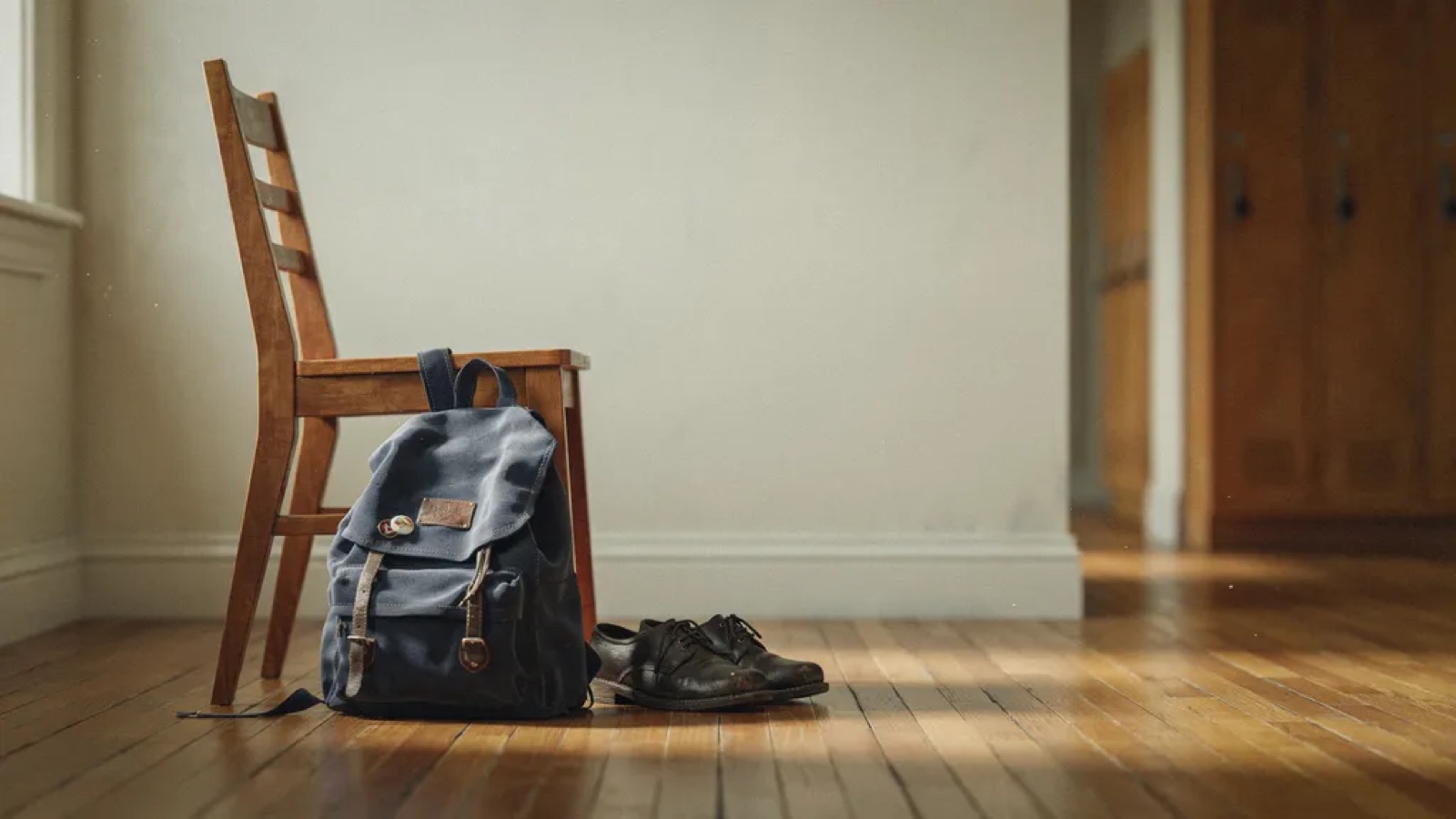
The advice that a school bag should not exceed 10% of a child's body weight appears everywhere. Its evidential basis is thinner than its popularity — the figure came from small studies of posture and gait rather than from anything showing that exceeding it causes lasting harm.
What the evidence supports better is that how the bag is worn matters more than what it weighs:
- Both straps. A bag on one shoulder loads one side of the spine and makes the child lean to compensate. This is the single biggest difference.
- High and close. The bag should sit against the upper back, not sag onto the lower back. A loose strap turns a manageable load into a lever.
- Heaviest items against the spine, not out at the back of the bag.
- Waist strap fastened, if the bag has one. Most do and almost nobody uses them.
For a child who already has pain, weight is worth reducing. For a child who does not, fit and habit are where the attention belongs.
What screens actually do
"Text neck" is a memorable phrase and a poor description. Holding the head forward does load the neck — that much is simple mechanics — but the studies looking for a straightforward relationship between posture and adolescent neck pain have mostly not found one. Plenty of teenagers with what looks like poor posture have no pain, and plenty with textbook posture do.
What does show up repeatedly in the data is duration. Long unbroken stretches in any one position are associated with pain; the specific position matters less than how long it is held. Alongside that, sleep, physical activity and stress track with adolescent pain more strongly than posture does.
The most useful thing to change is not how your child sits. It is how long they sit before they move.
What helps, in order of how much it helps
- Movement breaks. Every 30 minutes, briefly. A reminder on the device works better than a lecture.
- Sleep. Adolescents need eight to ten hours, and short sleep is one of the most consistent predictors of persistent pain in this age group.
- Physical activity — but not too much of one thing. Inactivity is a risk; so is high-volume single-sport specialisation with no off-season. The children with the fewest problems play several sports.
- A workable setup. Screen near eye level, feet supported. Worth doing, and worth less than the three above.
When back pain in a child is not ordinary
Most is mechanical and settles. See a doctor promptly for pain that wakes a child at night, pain with fever or weight loss, pain following a significant injury, any weakness or numbness in the legs, changes to bladder or bowel control, or pain in a child under about ten that persists for more than a week or two.
Those features are uncommon, and they are the reason a practitioner should take a proper history rather than reaching for the table.
A word on posture panic
It is worth being careful about the story we tell children. Teaching a young person that their spine is fragile, out of alignment, or in need of regular correction is associated with worse outcomes, not better — it increases fear and reduces activity, and both of those make pain more likely to persist.
Strong, mobile, well-slept and active is the goal. Straight is not a medical category.